AI Sales Technology · July 31, 2026 · 2 min read
How AI Transforms Sales Follow-Ups: From Friction to Flow
In today's fast-paced sales landscape, manual follow-ups can leave opportunities slipping through the cracks. <strong>Did you know that 44% of salespeople give up after one follow-up?</strong> Discove
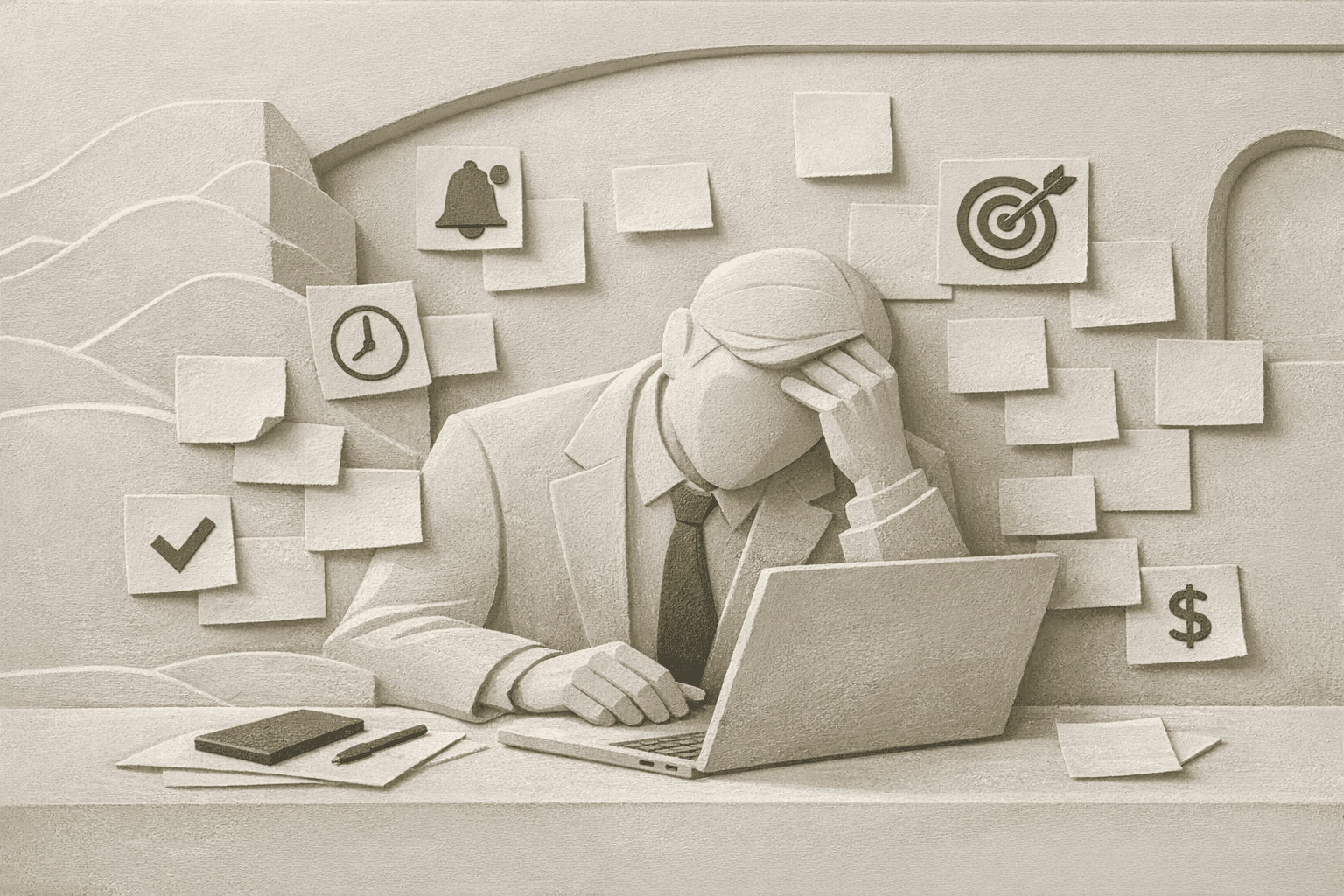
Understanding the Follow-Up Challenge
The traditional sales follow-up process is fraught with challenges. Sales reps often juggle numerous leads, making it difficult to keep track of past interactions and next steps. This can lead to missed opportunities and a lower conversion rate. Moreover, the manual nature of follow-ups can be time-consuming and prone to human error. By leveraging AI, businesses can streamline this process, ensuring timely and personalized follow-ups that resonate with prospects.
AI-Powered Personalization at Scale

One of the most significant advantages of AI in sales follow-ups is its ability to personalize interactions at scale. AI tools analyze data from multiple sources, such as CRM systems and past communications, to craft personalized messages that reflect the specific needs and interests of each prospect. This ensures that follow-ups are not only timely but also relevant, increasing the likelihood of engagement.
Automating the Timing and Cadence
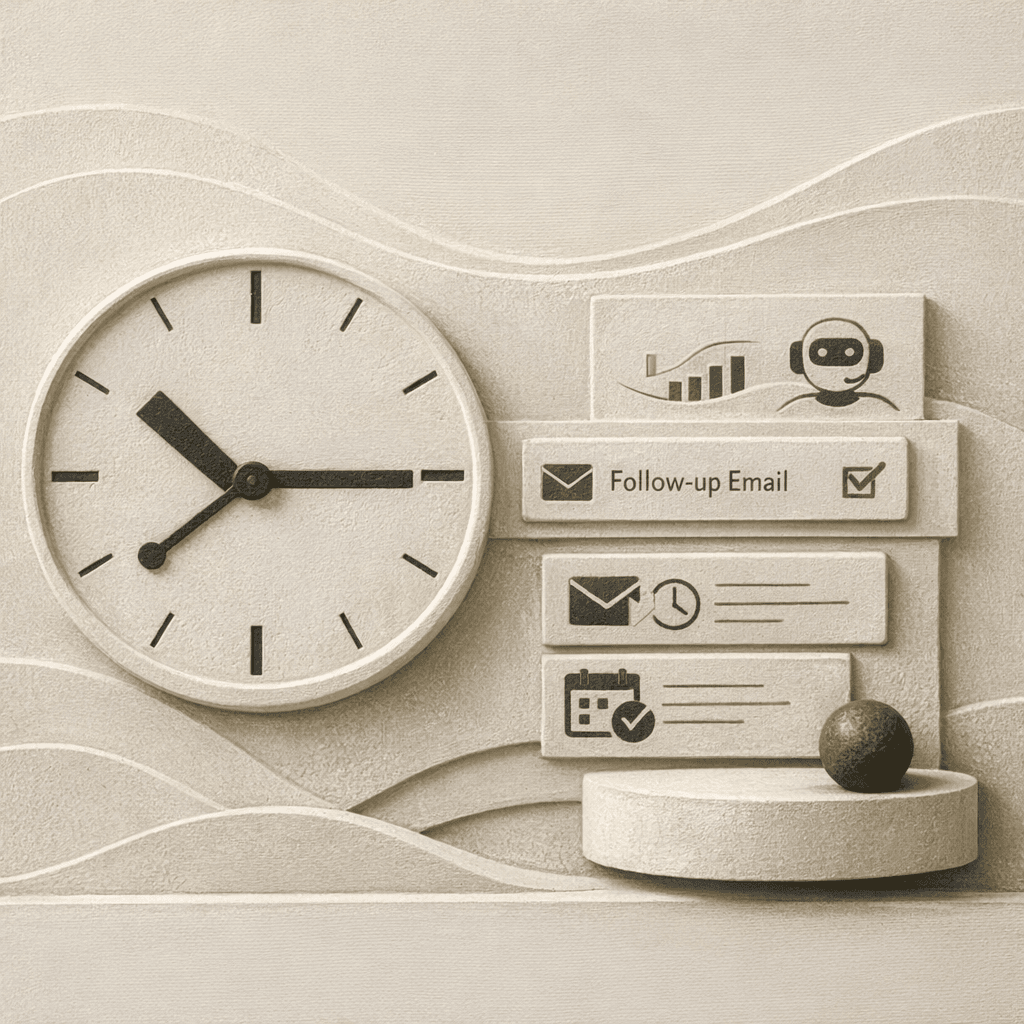
Timing is crucial in sales follow-ups. AI can determine the optimal time to reach out to a prospect by analyzing their behavior and engagement patterns. This ensures that follow-ups are sent when they are most likely to be read and responded to. Furthermore, AI can automate the cadence of follow-ups, maintaining a consistent flow of communication without overwhelming the prospect.
Integrating AI with Existing Sales Tools
AI doesn't operate in isolation; it can be seamlessly integrated with existing sales tools to enhance their functionality. By connecting AI with your CRM and email platforms, you can automate mundane tasks, like scheduling follow-ups and tracking responses. This integration helps sales teams focus more on strategic activities, such as closing deals rather than managing logistics. For more on choosing the right AI tools, check out our guide on How to Choose the Best AI Sales Agent Platform for Your Business.
Measuring the Impact of AI on Sales Follow-Ups
To truly understand the impact of AI on your follow-up strategy, it's essential to measure key performance indicators (KPIs) such as response rates, engagement levels, and conversion rates. By analyzing these metrics, sales leaders can refine their strategies and further optimize the follow-up process. The insights gained can inform future outreach strategies, ensuring continuous improvement and success.